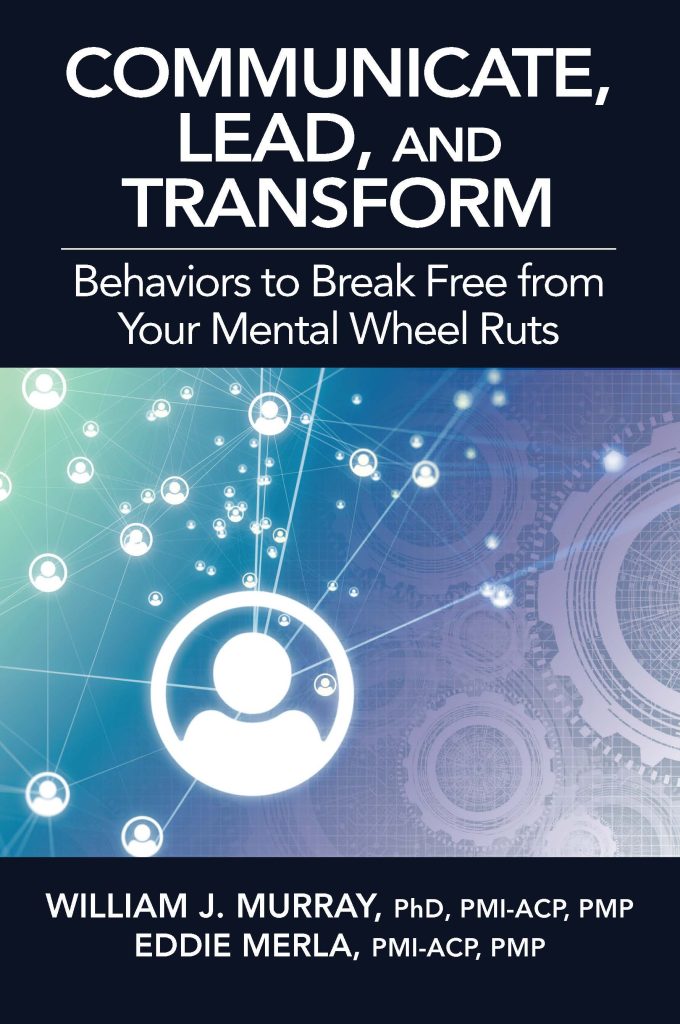
CLT

Thank you for visiting the assessments and downloads page for Communicate, Lead, and Transform. From here, you can take the Communications and Leadership assessments and download valuable ancillary items to help you on your improvement journey.

Click the download button to get your blank focus area template form and other helpful tools from the book. If you are adopting professor using this book as required reading, please email customerservice@jrosspub.com to receive the full instructor material.

Before beginning your assessment, please enter your name and email address below, so we can email your results once completed. The assessment will take about 5-7 minutes. Keep those scores in your inbox as a starting point on your improvement journey.

QUESTIONNAIRE

1. I strive to consider cultural barriers, language barriers, and personality traits when planning a message.
Not at all Rarely Sometimes Often Very often
2. I consider circumstances that may hinder the effectiveness of my communications as I prepare a message.
Not at all Rarely Sometimes Often Very often
3. I consider the sensitivity of a message when choosing how to convey it.
Not at all Rarely Sometimes Often Very often
4. When people talk to me, I strive to understand their point of view.
Not at all Rarely Sometimes Often Very often
5. When talking with others, I will paraphrase what I have heard to ensure I understand the speaker’s purpose.
Not at all Rarely Sometimes Often Very often
6. When my communication is seeking a commitment from others, I think about what’s in it for them to meet the commitment.
Not at all Rarely Sometimes Often Very often
7. I see mistakes such as typos, poor grammar, and missed punctuation in written communication I have sent.
Not at all Rarely Sometimes Often Very often
8. I consider how people prefer to receive communications and strive to satisfy their preferences when communicating with them.
Not at all Rarely Sometimes Often Very often
9. I will interrupt someone who is speaking to me if I don’t agree with their point of you view.
Not at all Rarely Sometimes Often Very often
10. When people disagree with me, I focus on what is said and not on who said it.
Not at all Rarely Sometimes Often Very often
11. When preparing to communicate, I consider that the success of my communications is in the hands of those receiving it.
Not at all Rarely Sometimes Often Very often
12. I use the most convenient way to communicate, including email, text, or a phone call, regardless of the impact of the message.
Not at all Rarely Sometimes Often Very often

QUESTIONNAIRE

13. When creating a specific message, I consider cultural, language, or other barriers that may impact how the message is interpreted.
Not at all Rarely Sometimes Often Very often
14. I tend to keep it to myself and figure it out later when I don’t understand something.
Not at all Rarely Sometimes Often Very often
15. I consider the recipient’s perspective and what may be important to them when I am developing a message.
Not at all Rarely Sometimes Often Very often
16. When I think about developing a communication, I consider the information necessary to ensure the message is understood.
Not at all Rarely Sometimes Often Very often
17. I pay attention to body language, eye contact, and tone of voice when talking to people.
Not at all Rarely Sometimes Often Very often
18. I focus much more attention on the content of my communication rather than how to send it out to others.
Not at all Rarely Sometimes Often Very often
19. I follow up to ensure alignment on expectations after I send out a request.
Not at all Rarely Sometimes Often Very often
20. I think about why I am communicating and what people need to know before I communicate with them.
Not at all Rarely Sometimes Often Very often
21. I use visual aids, including charts, graphs, and pictures, to help me make my points when communicating.
Not at all Rarely Sometimes Often Very often
22. I try to reduce misunderstandings by explaining the underlying concepts that support the point I am communicating to others.
Not at all Rarely Sometimes Often Very often
23. I consider the best way to send out a communication (email, face-to-face meeting, phone call, etc.) so that the message achieves its purpose.
Not at all Rarely Sometimes Often Very often
24. When people are talking to me, I think about how to respond to get my point across.
Not at all Rarely Sometimes Often Very often
25. When I am in a conversation communicating information, I ask whether I am being clear.
Not at all Rarely Sometimes Often Very often

QUESTIONNAIRE

1. If someone tells me something in confidence, I can be counted on to keep it to myself.
Not at all Rarely Sometimes Often Very often
2. I demonstrate to team members that I care about them.
Not at all Rarely Sometimes Often Very often
3. It is important that people understand where the organization is going and why.
Not at all Rarely Sometimes Often Very often
4. I believe that good execution is as important as focusing on results.
Not at all Rarely Sometimes Often Very often
5. I believe it is important that people have confidence in the financial future of the organization.
Not at all Rarely Sometimes Often Very often
6. I make a strong commitment to be honest.
Not at all Rarely Sometimes Often Very often
7. Personal feelings are secondary to accomplishing the mission of the organization.
Not at all Rarely Sometimes Often Very often
8. I believe there is little value in talking about the future because you have to make it happen today.
Not at all Rarely Sometimes Often Very often
9. I am most satisfied when making progress towards achieving goals.
Not at all Rarely Sometimes Often Very often
10. People today don’t worry about their job security because they can switch companies easily.
Not at all Rarely Sometimes Often Very often
11. I am often judgmental and show it.
Not at all Rarely Sometimes Often Very often
12. I am able to tell when people are upset or struggling.
Not at all Rarely Sometimes Often Very often

QUESTIONNAIRE

13. I don’t bother people about what the future will bring; I let people focus on their job today.
Not at all Rarely Sometimes Often Very often
14. It is important to tell people regularly about the results being achieved.
Not at all Rarely Sometimes Often Very often
15. People can count on me to give them the support they need to complete their work.
Not at all Rarely Sometimes Often Very often
16. In my experience, people care more about their needs than the needs of the organization.
Not at all Rarely Sometimes Often Very often
17. When I disagree with someone, it's harder to feel empathy for them.
Not at all Rarely Sometimes Often Very often
18. It is important to me that everyone is working towards achieving the same objectives.
Not at all Rarely Sometimes Often Very often
19. I don’t control results; the results come from following policies and procedures.
Not at all Rarely Sometimes Often Very often
20. When people can’t get their work done, it’s up to them to look for reasons and get help.
Not at all Rarely Sometimes Often Very often
21. I generally assume others are trustworthy unless proven otherwise.
Not at all Rarely Sometimes Often Very often
22. I feel joy at other people's happiness and successes.
Not at all Rarely Sometimes Often Very often
23. I believe the organization must offer employees hope for the future.
Not at all Rarely Sometimes Often Very often
24. I believe that the problem is people when goals are not achieved.
Not at all Rarely Sometimes Often Very often
25. It is important to me that the organization provides what people need to be successful.
Not at all Rarely Sometimes Often Very often

TOTAL

When reviewing your scores, a score below 15 is an indication of a process area where you can improve your skill as a